
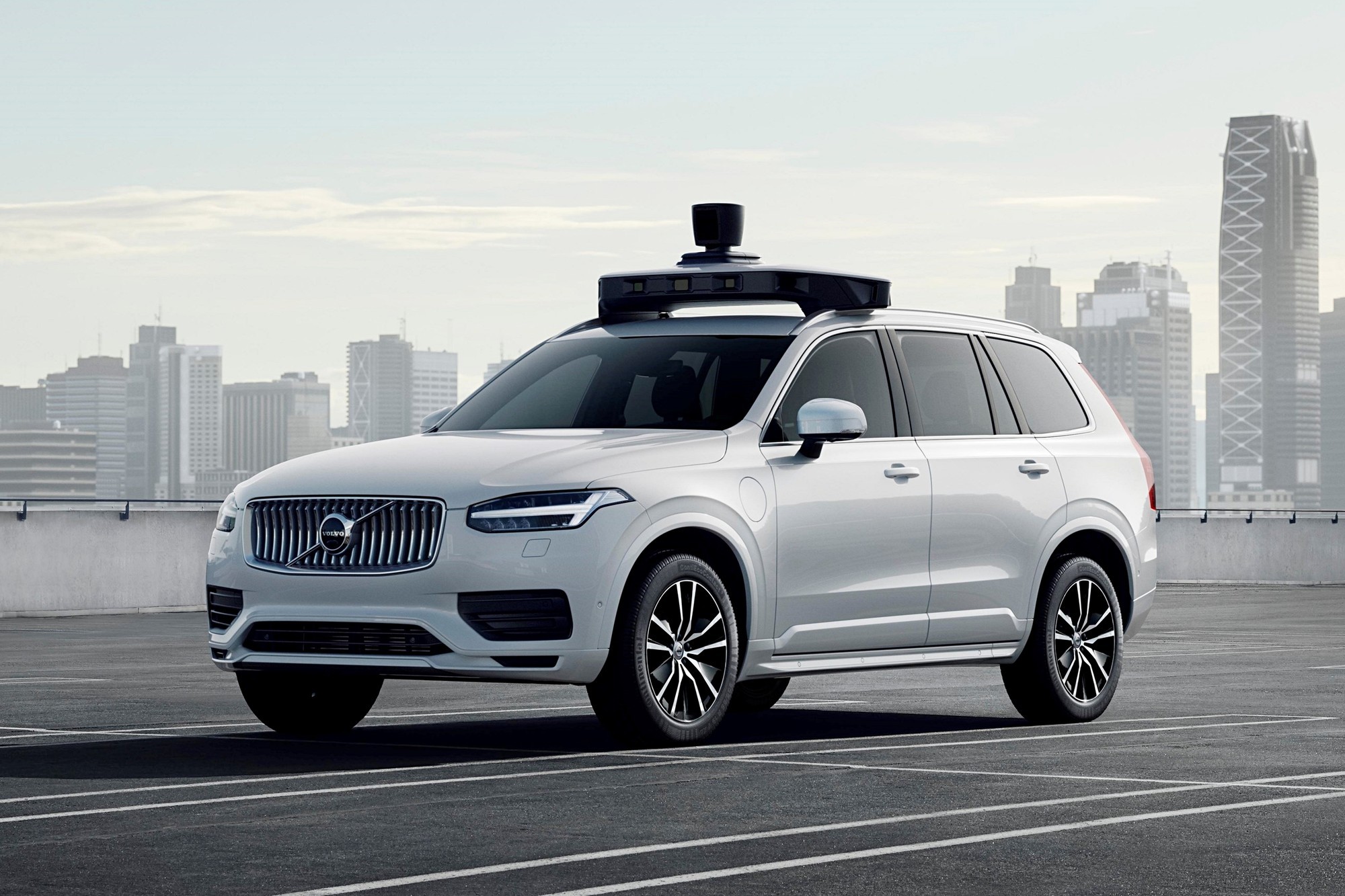
The automaker will integrate Nvidia’s Hyperion platform, a hardware suite combining high-performance silicon with a comprehensive sensor array to map surroundings. Central to this approach is Nvidia’s Alpamayo software, which employs reasoning models to interpret road conditions and execute steering, braking, and acceleration commands. While the current configuration omits lidar, the design remains modular, allowing for potential hardware additions if requirements shift.
This expansion of the existing partnership follows a series of setbacks for the Swedish-designed manufacturer. Volvo previously sidelined its Ride Pilot Level 3 unsupervised project after struggling to secure regulatory approval in the United States. Additionally, plans to implement lidar sensors stalled following the bankruptcy of supplier Luminar. By adopting a system analogous to the technology recently debuted in the Mercedes-Benz CLA, Volvo seeks to rehabilitate its automated driving portfolio while maintaining its historical emphasis on vehicle safety.
Comments (0)
No comments yet. Be the first!