
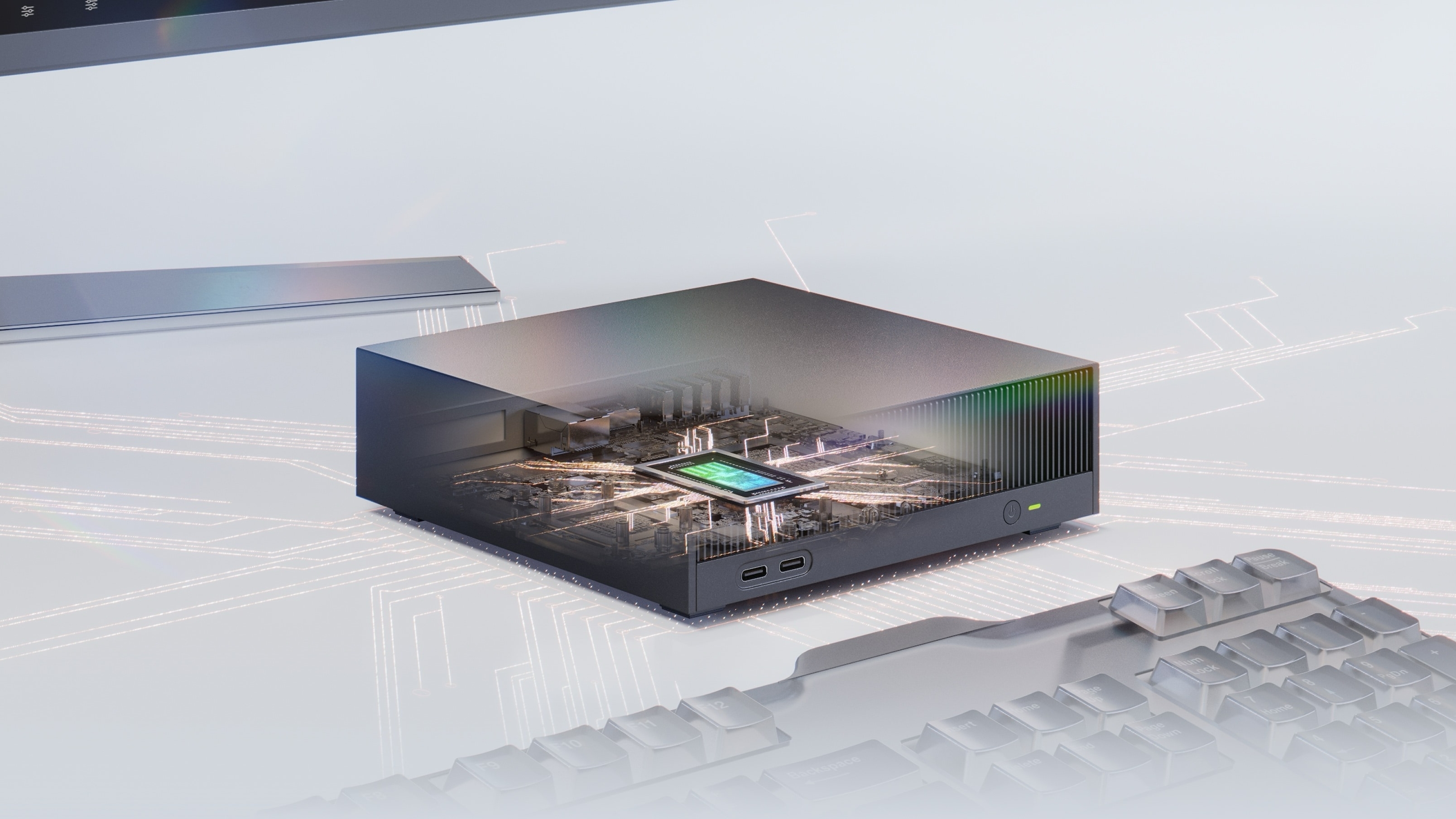
Nvidia senior director of products Justin Walker claims the new hardware will support everything from Adobe Creative Cloud and Office to demanding games with kernel-level anti-cheat. The company showcased these capabilities at its recent Editor’s Day in San Francisco, positioning the platform as a direct answer to the limitations of the past. By enabling native execution, the RTX Spark seeks to move beyond the stripped-down, legacy-breaking experience that defined the Tegra-era failures.
Despite the technical milestone, the market entry remains niche. With hardware configurations reaching up to $7,000 and 128GB of RAM, these machines are marketed as local AI workstations rather than consumer staples. While local processing offers privacy benefits, users will face significant performance trade-offs compared to cloud-based AI, raising questions about whether the hardware’s thermal constraints can sustain its ambitious performance targets in a thin-and-light form factor.
Comments (0)
No comments yet. Be the first!