
The core of Google’s defense rests on the broad licensing language embedded within YouTube’s Terms of Service. In its motion to dismiss, the company argued that even if the musicians' claims were true, the platform’s existing agreements grant Google the right to reproduce and prepare derivative works from any uploaded content. The filing dismissed the plaintiffs' grievances as an unsupported hypothesis, choosing to lean on legal technicalities rather than direct confirmation of its training data sources.
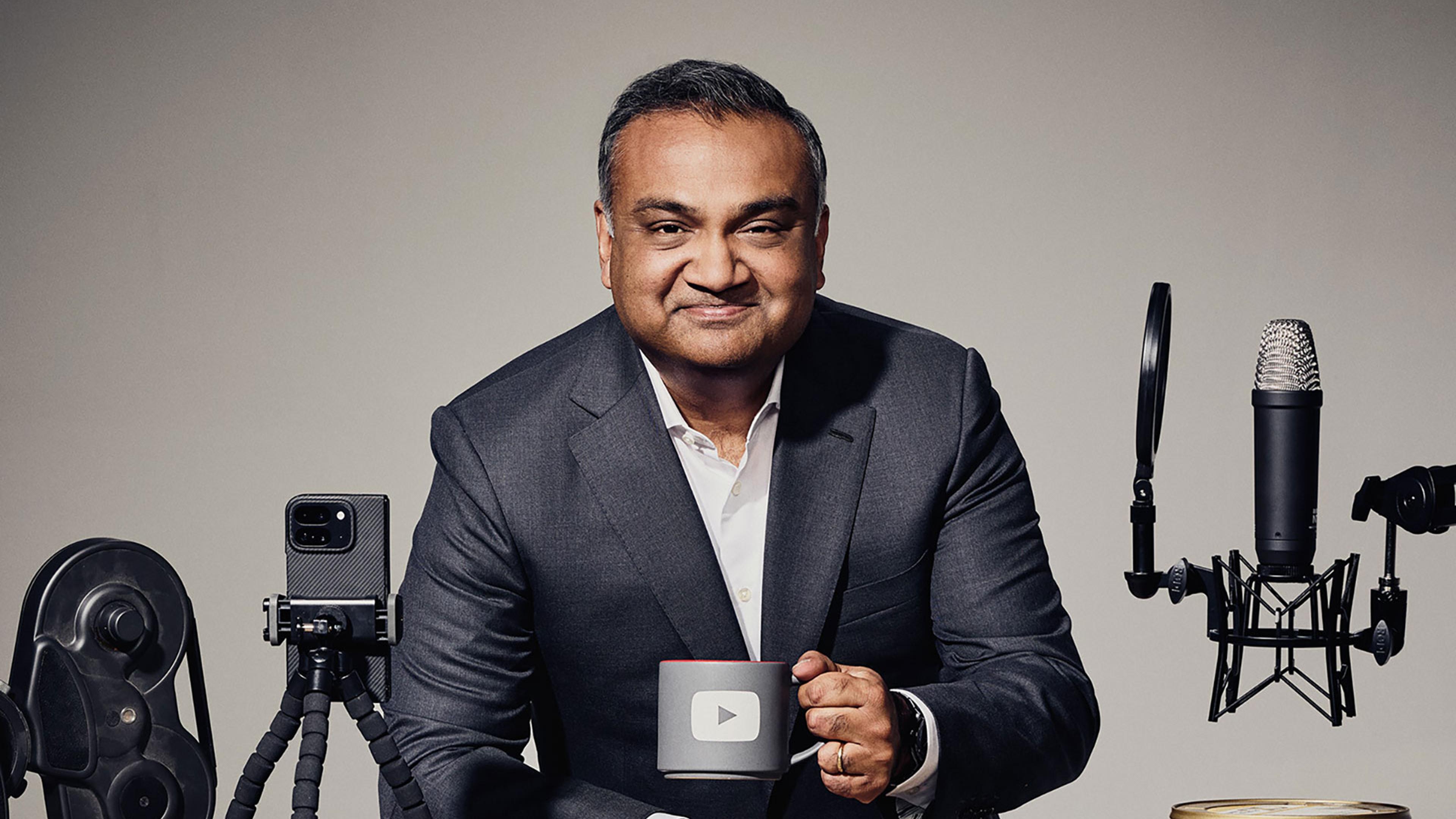
Despite this evasion, the company’s own public record suggests the practice is systemic. YouTube CEO Neal Mohan told Bloomberg in April 2024 that some portion of platform content is utilized to train models like Gemini. Subsequent corporate communications confirmed that YouTube uploads fuel machine learning applications across the Google ecosystem. While Google has acknowledged using creator content for its Gemini and Veo models, it maintains a deliberate silence regarding Lyria. For now, the company is prioritizing plausible deniability to navigate ongoing litigation, avoiding a definitive statement that could expose it to further copyright liability.
Comments (0)
No comments yet. Be the first!