
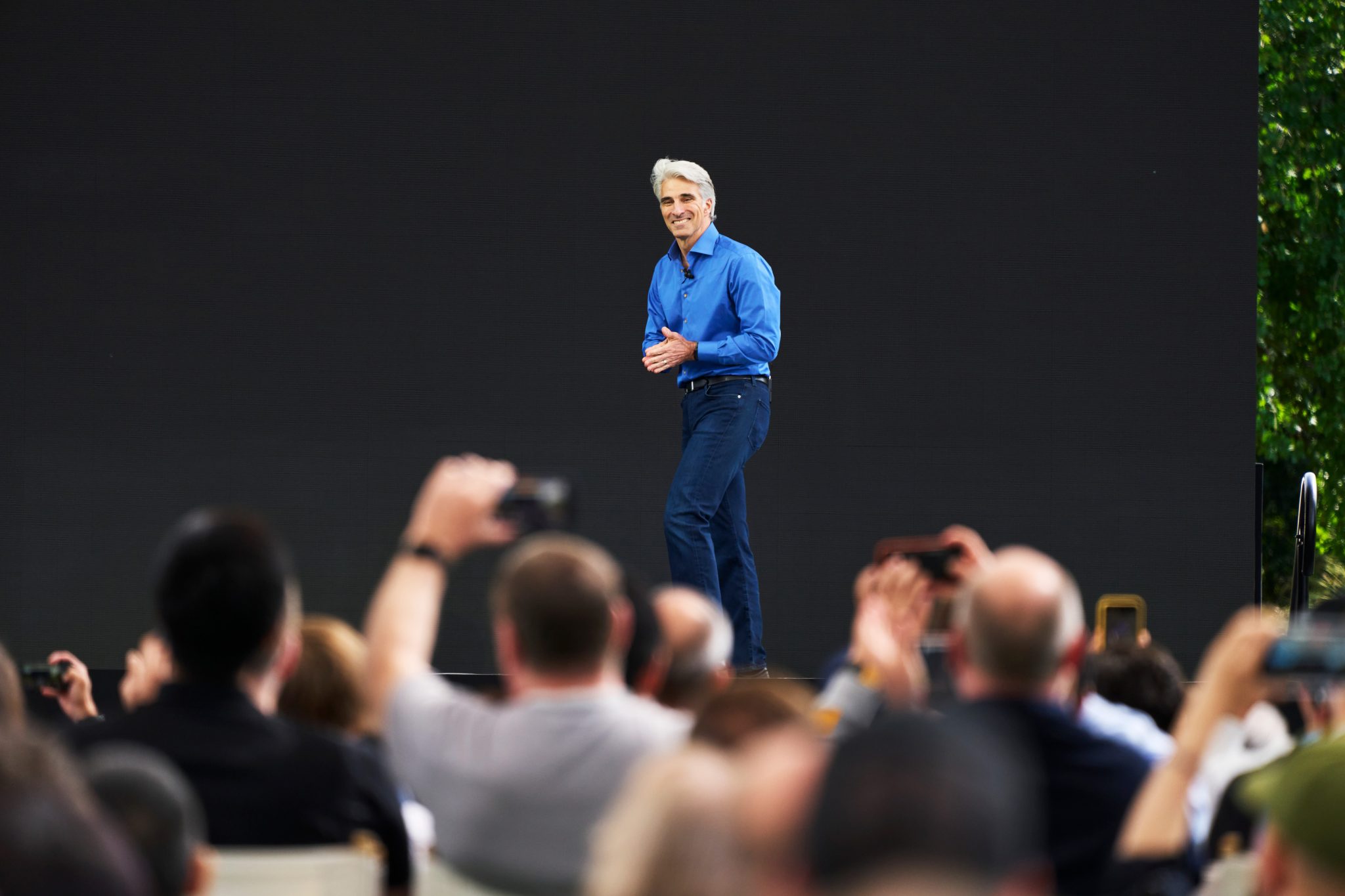
Craig Federighi, senior vice president of Software Engineering, framed the shift as a commitment to sweating the details. The most prominent correction involved the controversial Liquid Glass design language, which had drawn significant user backlash for its readability issues. Apple introduced a new slider allowing users to dial back the transparency, effectively granting the manual control that critics had demanded for years. Beyond aesthetics, the company addressed performance bottlenecks: app launch speeds increased by 30%, and AirDrop file transfers saw an 80% improvement. These updates extend to devices as old as the 2019 iPhone 11, acknowledging that consumers are retaining hardware longer than in previous cycles.
Long-neglected friction points also received attention. Apple rebuilt its search experience for stability and speed, while the Health app finally introduced tracking for perimenopause and menopause. Only after clearing this backlog did the company pivot to the much-anticipated AI-enhanced Siri. By positioning the update as part of a broader, iterative refinement process rather than a singular, industry-defining moment, Apple managed to hedge expectations for a feature that will launch in beta and face immediate regulatory constraints in markets like the EU and China. The strategy suggests a company moving away from the pressure of chasing breakthroughs toward a more defensive, user-centric consolidation of its existing software suite.
Comments (0)
No comments yet. Be the first!