
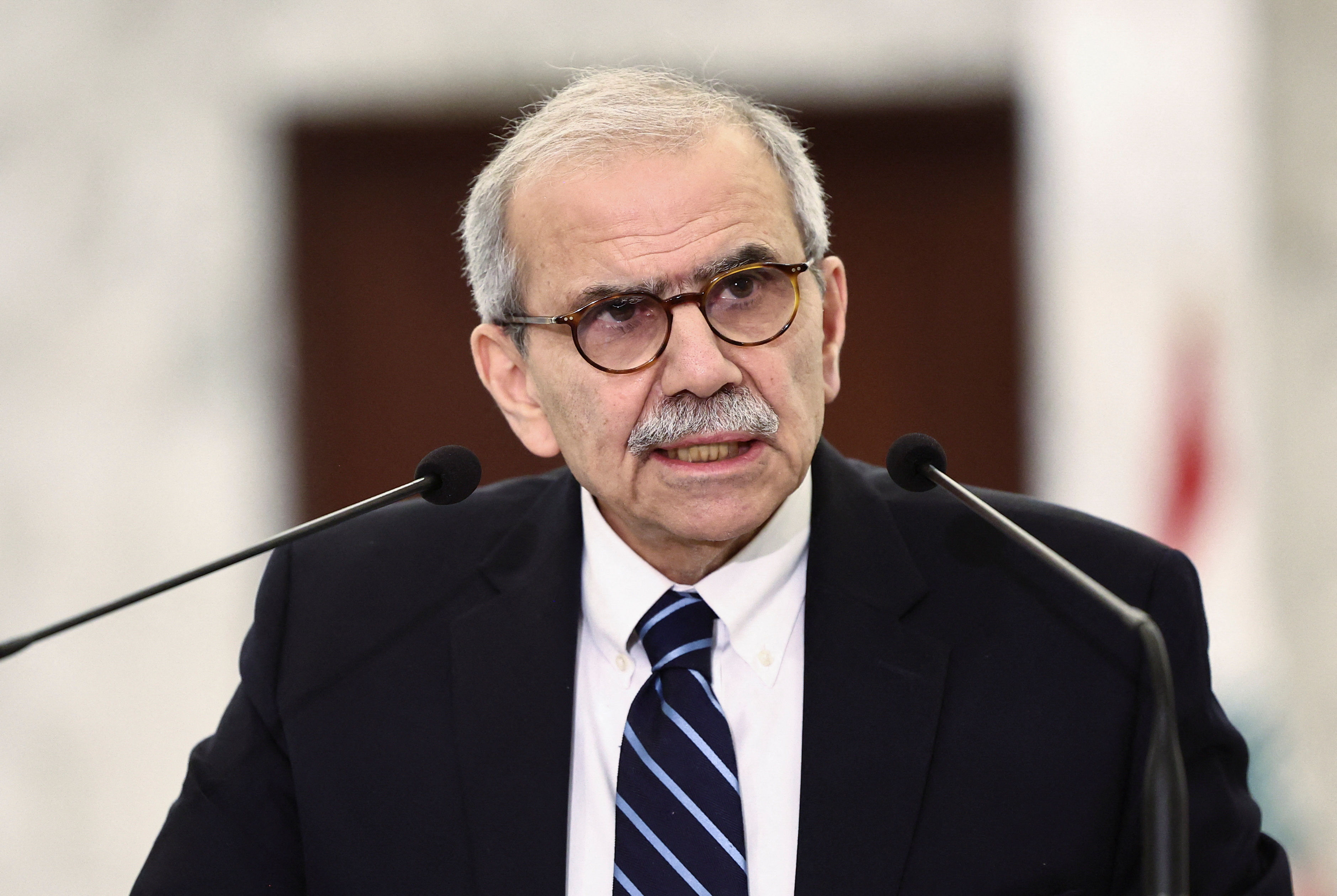
Salam explicitly rejected Israeli claims that the targeted site in Ansar functioned as a Hezbollah military compound. He argued that the deaths of women and children in the attack invalidate the military justification provided by Israeli officials. The Prime Minister maintained that sovereign responsibility for managing internal security threats rests solely with the Lebanese state and its army, asserting that no external power possesses the right to violate Lebanese territory under the guise of counter-militancy.
Israeli leadership, including Prime Minister Benjamin Netanyahu and Defense Minister Israel Katz, remains committed to a strategy of sustained pressure. Katz recently stated that military operations in the south will continue until Hezbollah disarms, a stance supported by U.S. Ambassador Michel Issa, who reiterated that hostilities would cease only upon the group's disarmament. Hezbollah responded by labeling the strikes a criminal violation of sovereignty and accused the United States of complicity by providing political and material cover for the operation. This violence follows a June vote in the U.S. House of Representatives, where a bipartisan majority rejected a war powers resolution aimed at curbing American military involvement in the conflict.
Comments (0)
No comments yet. Be the first!